
Nepal – Việt Nam
From the Himalayas to Trusted Global Trade
Nepal – 2026
Some products begin their journey in places far from the global marketplace. High in the Himalayas, local communities harvest medicinal and aromatic plants that have been part of mountain livelihoods for generations. Species such as Jatamansi, Kutki, Attis and Yarsagumba move from remote landscapes through local traders and processors before reaching domestic and international markets.
But behind every high-value product is an important question: Can we know where it truly comes from? This is where TraceVerified’s journey in Nepal began.
From the market back to the source
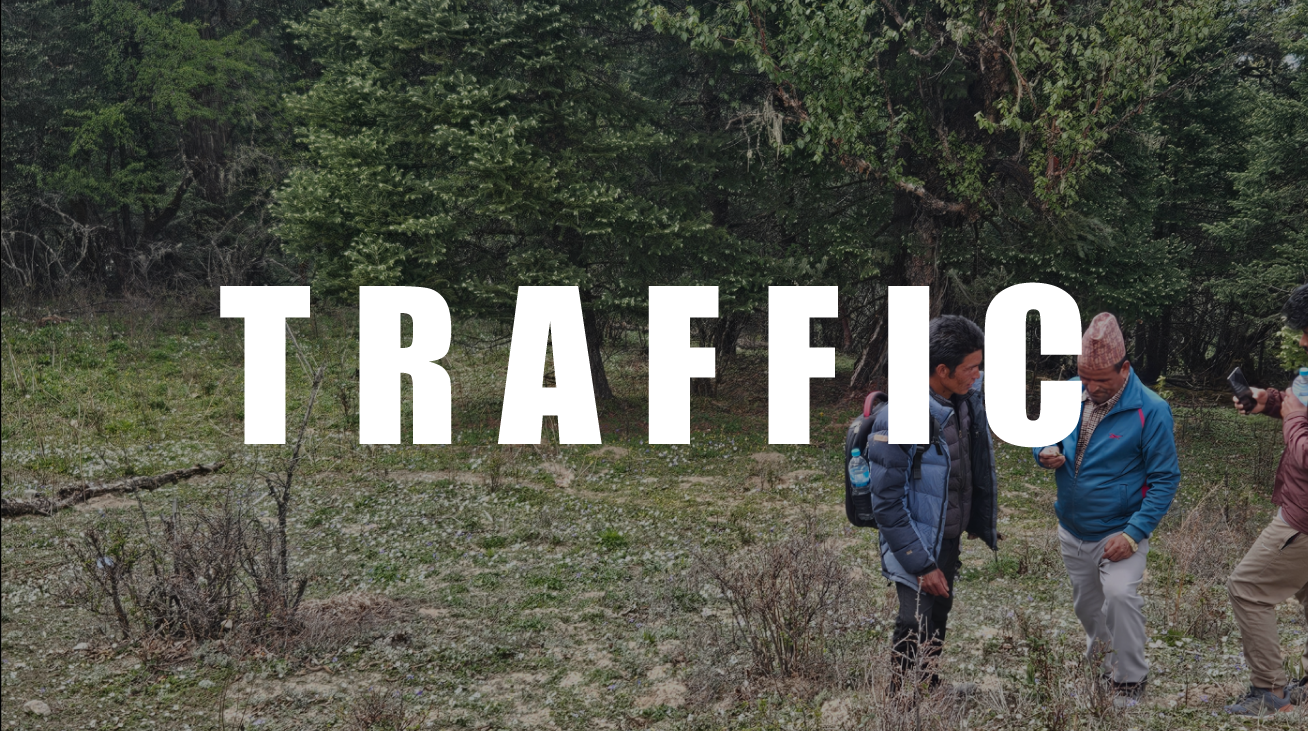
Under the Darwin Initiative-funded project “Scaling conservation of Himalayan plants and fungi through sustainable trade,” TraceVerified is working with TRAFFIC and its partners to explore and design traceability systems for Himalayan medicinal and aromatic plant supply chains.
The ambition goes beyond tracking products. It is about building supply chains that are:
More transparent; More sustainable; More equitable. And helping mountain communities access higher-value markets in a fairer way.
The first conversations
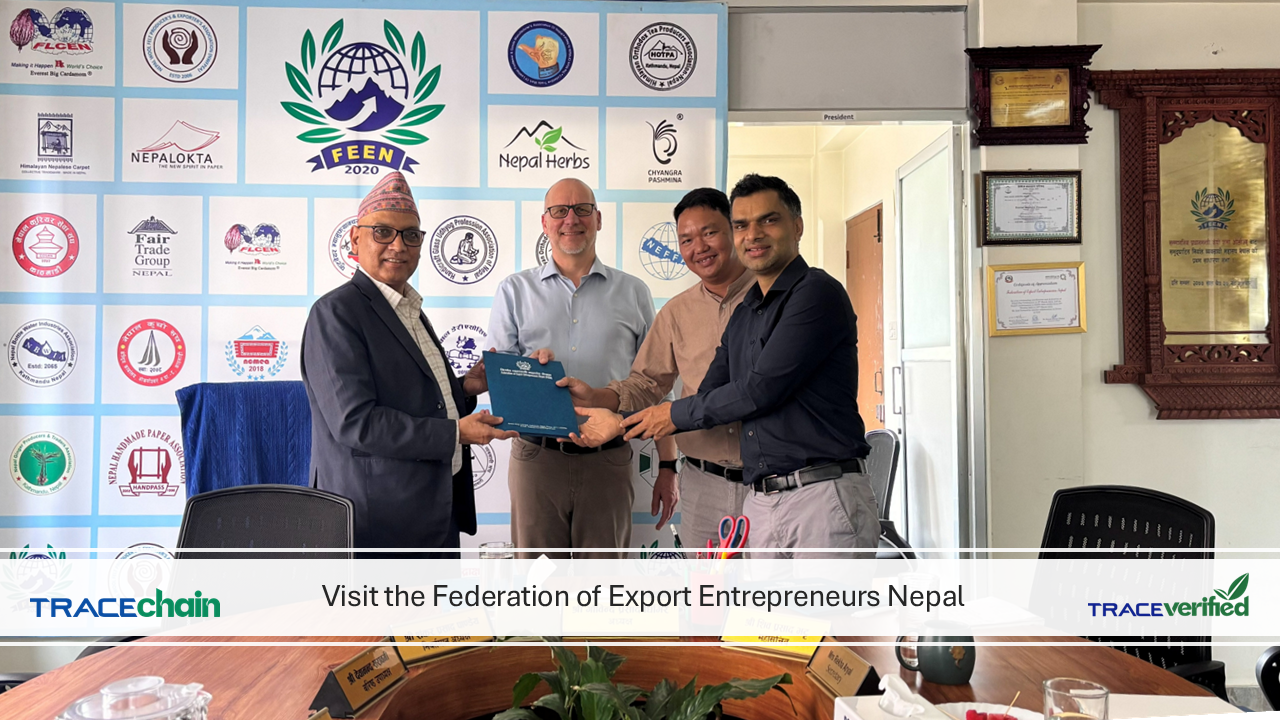
The journey began in Kathmandu to Nepalgunj. TraceVerified met organisations, businesses and industry associations involved in Nepal’s herbal and non-timber forest product sector.
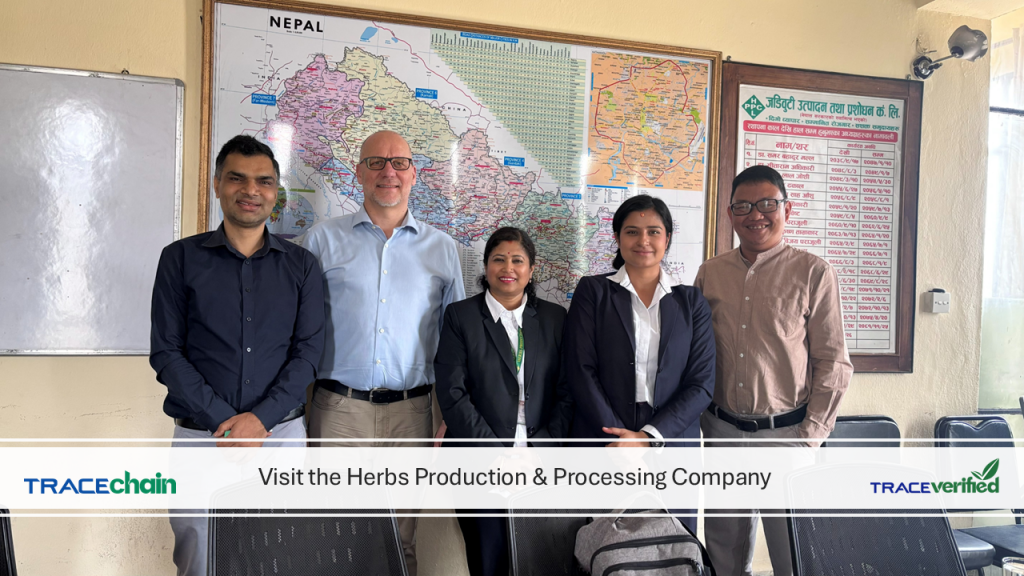
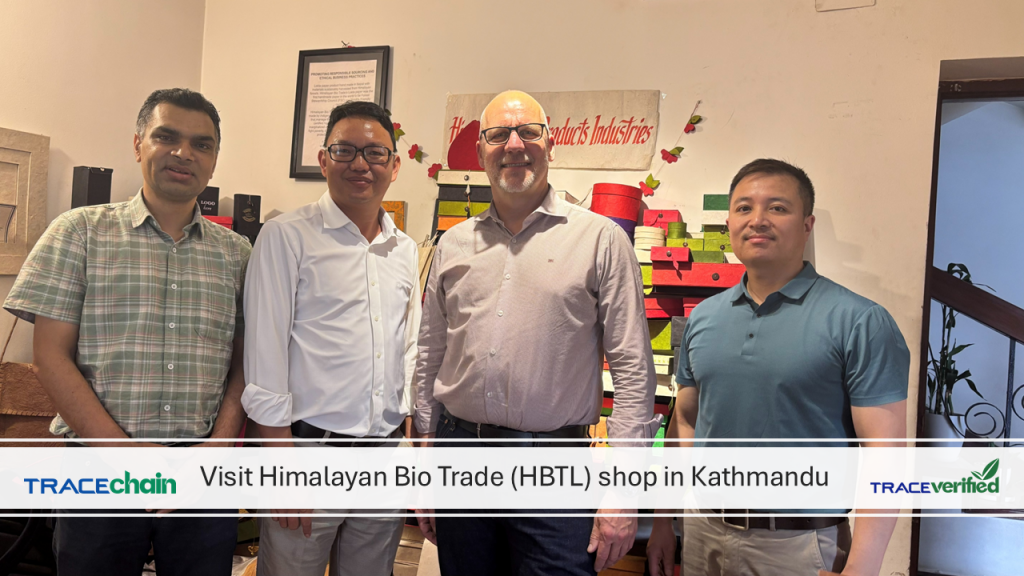
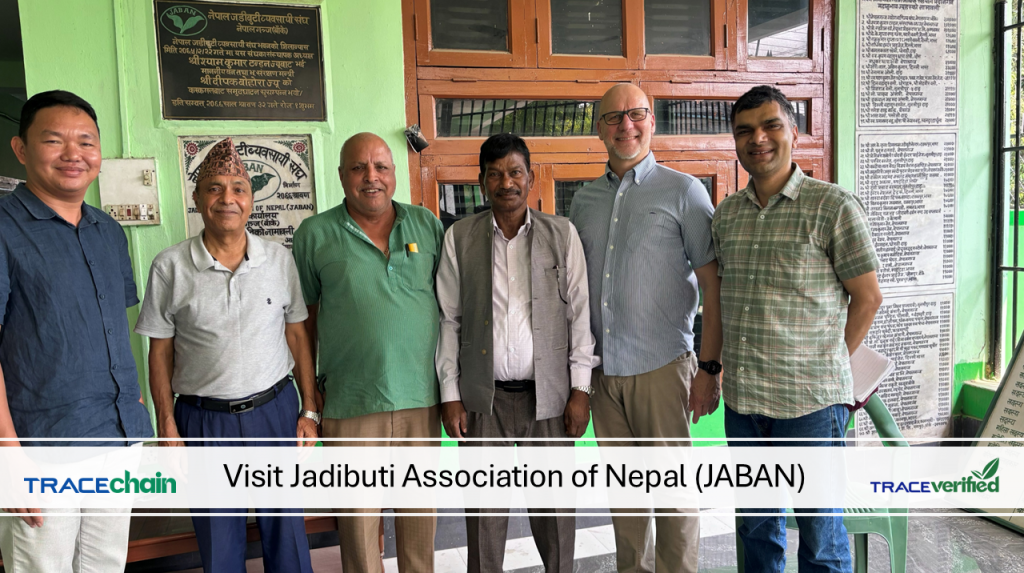
Each conversation revealed another part of the supply chain — how medicinal plants are collected, traded, processed and brought to market. But to truly understand a supply chain, we could not stay in the city. We had to go to the mountains.
Journey to Jumla
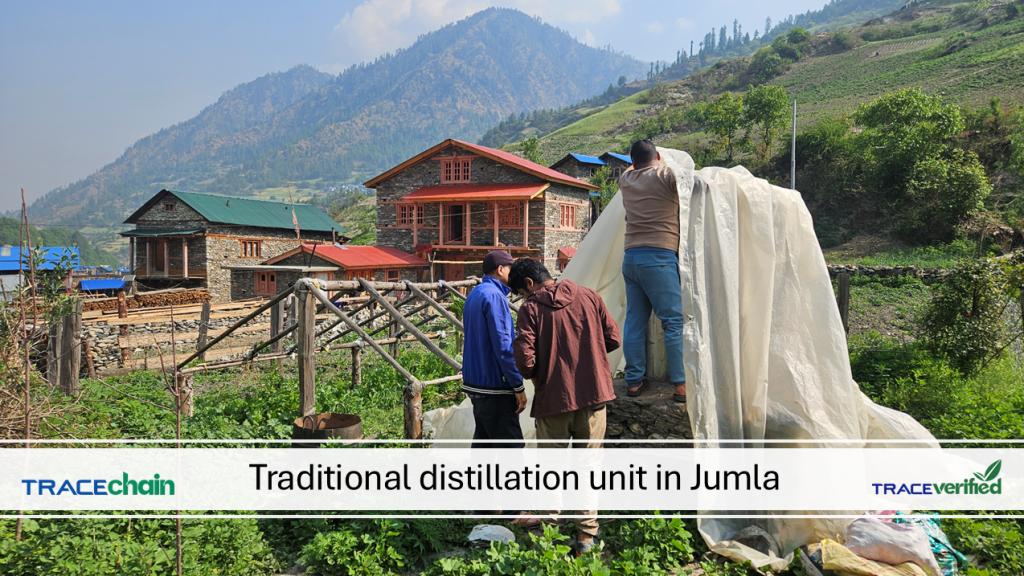
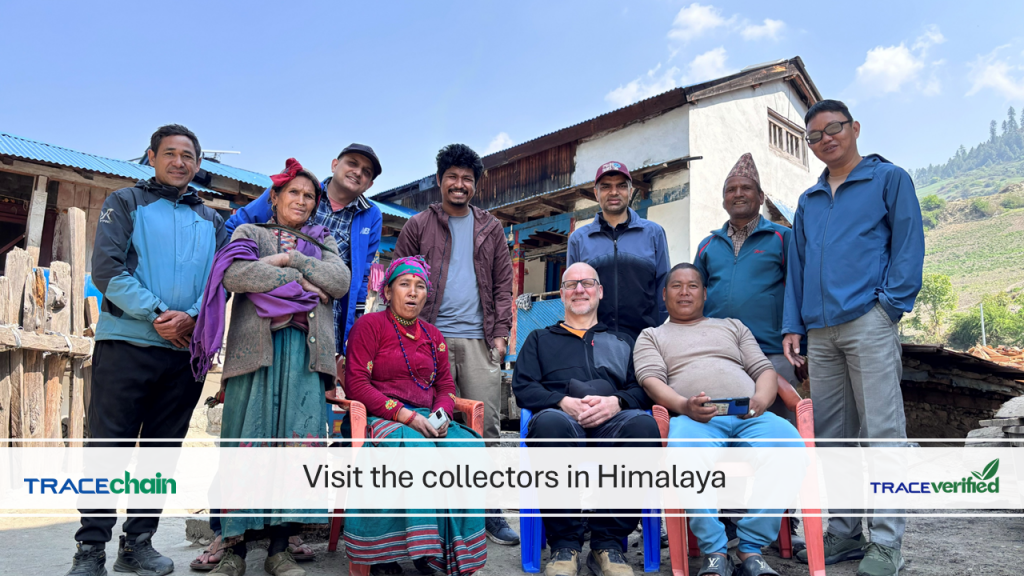
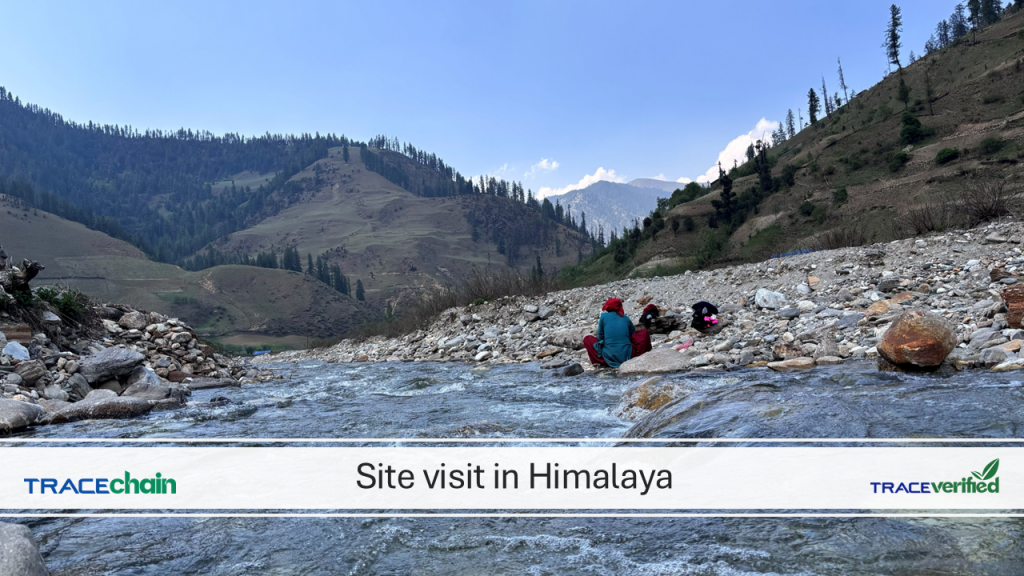
From Kathmandu, the journey continued to Jumla. Here, the supply chain looked very different from the diagrams and spreadsheets used in offices. There were harvesters. Local collectors. Traders. Community organisations. Traditional processing practices. And communities whose livelihoods are closely connected to the Himalayan landscape.
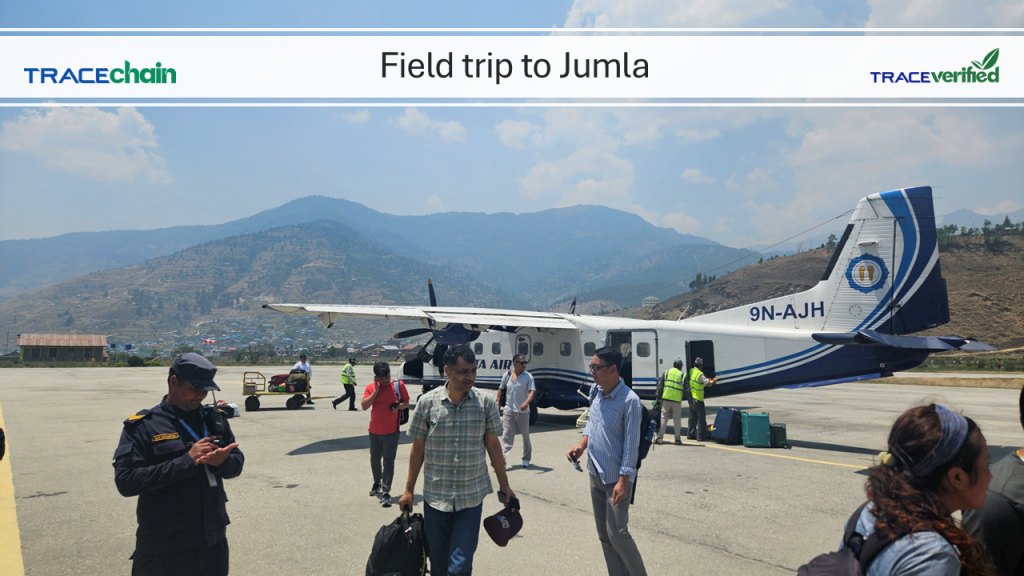
We met the people who create the first value in the supply chain. Not in a conference room. But where the journey of the product actually begins.
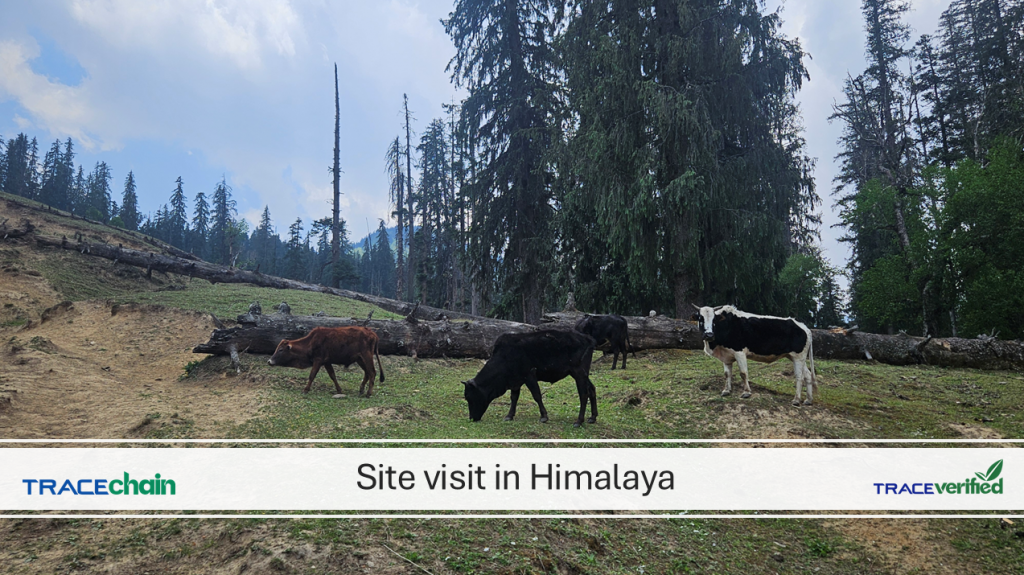
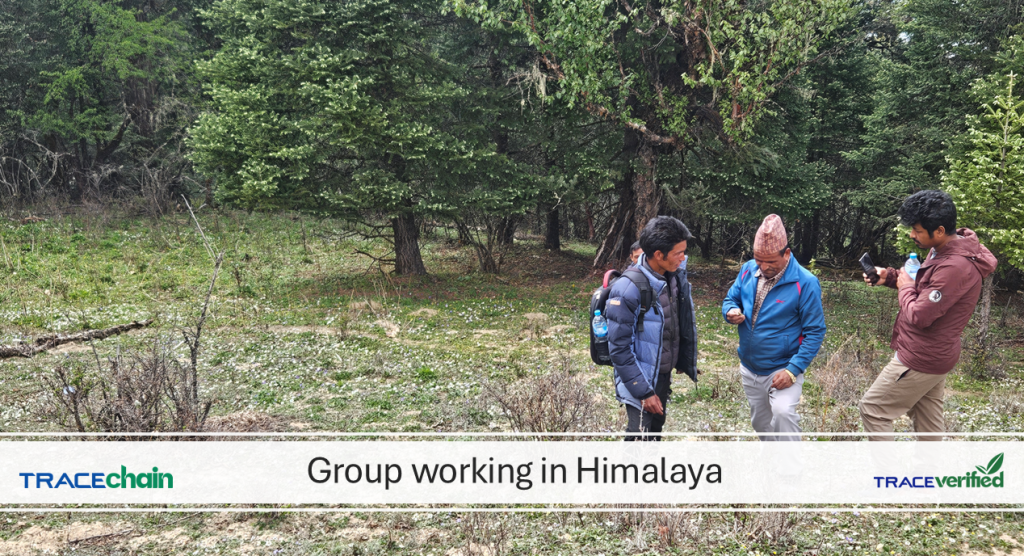
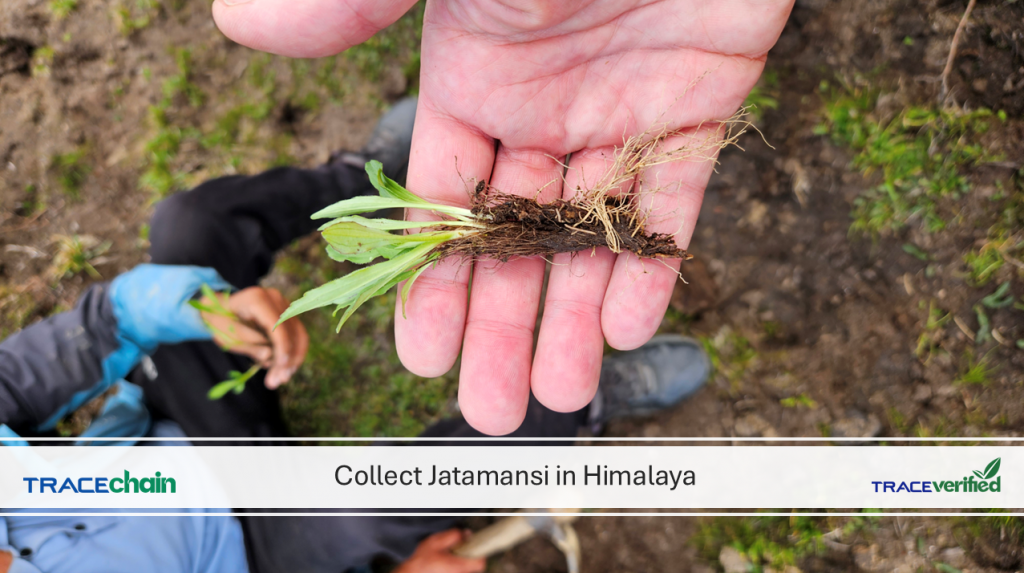
Getting closer to Jatamansi
One of the potential pilot supply chains focuses on Jatamansi, a high-value medicinal plant found in the Himalayan region. From remote mountain areas, Jatamansi is harvested, collected, traded and eventually transformed into higher-value products. We followed the people involved. We looked at where the plants are harvested. We learned how products are collected and moved. And we asked a simple question:
How can information about origin travel with the product throughout its journey?
From plants to products
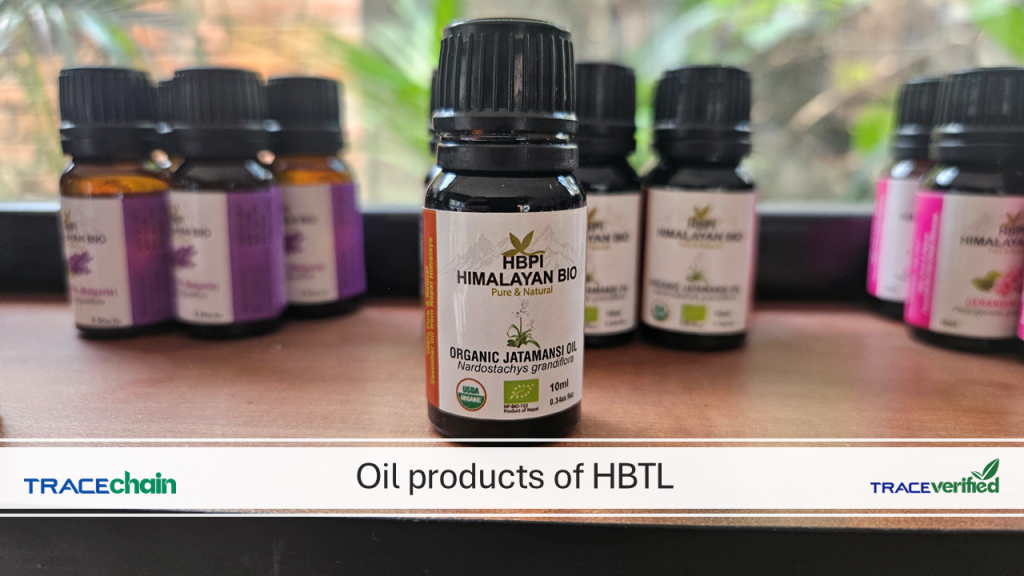
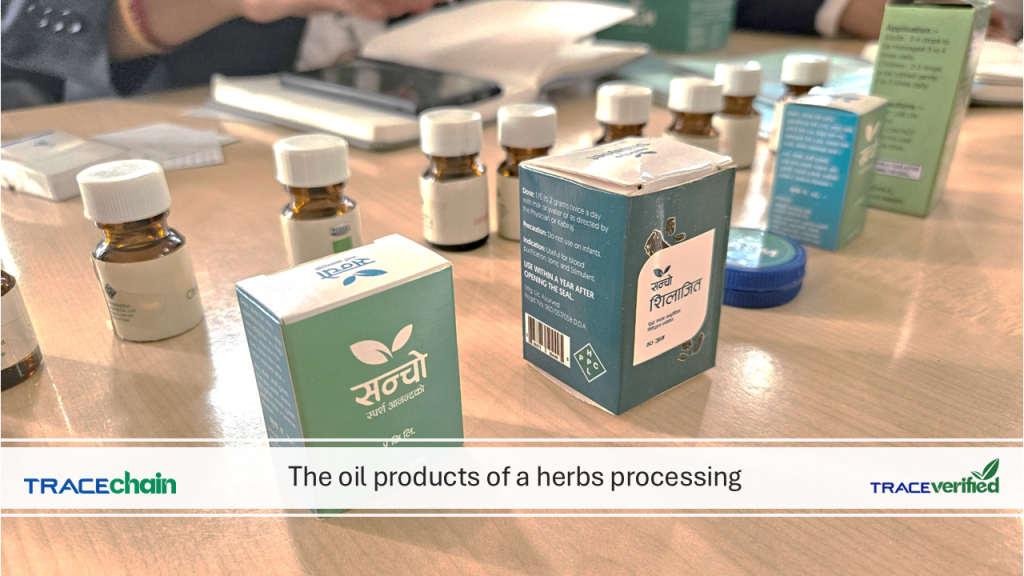
At processing facilities, raw materials collected from the mountains become new products. Oils. Extracts. Herbal ingredients. Commercial products. This is where traceability becomes critical.
It is not enough to know: “This is Jatamansi.” We need to be able to ask:
- Where did it come from?
- Who harvested it?
- Who traded it?
- Where was it processed?
- What happened to it along the way?
- Which source materials contributed to the final product?
A trusted supply chain needs to connect these pieces of information.
A supply chain is never just one point
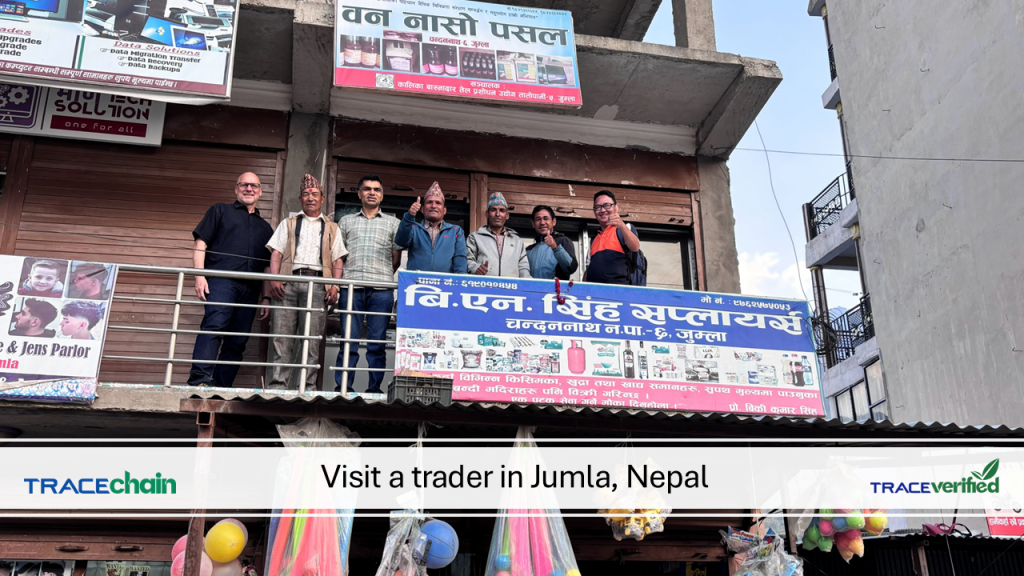
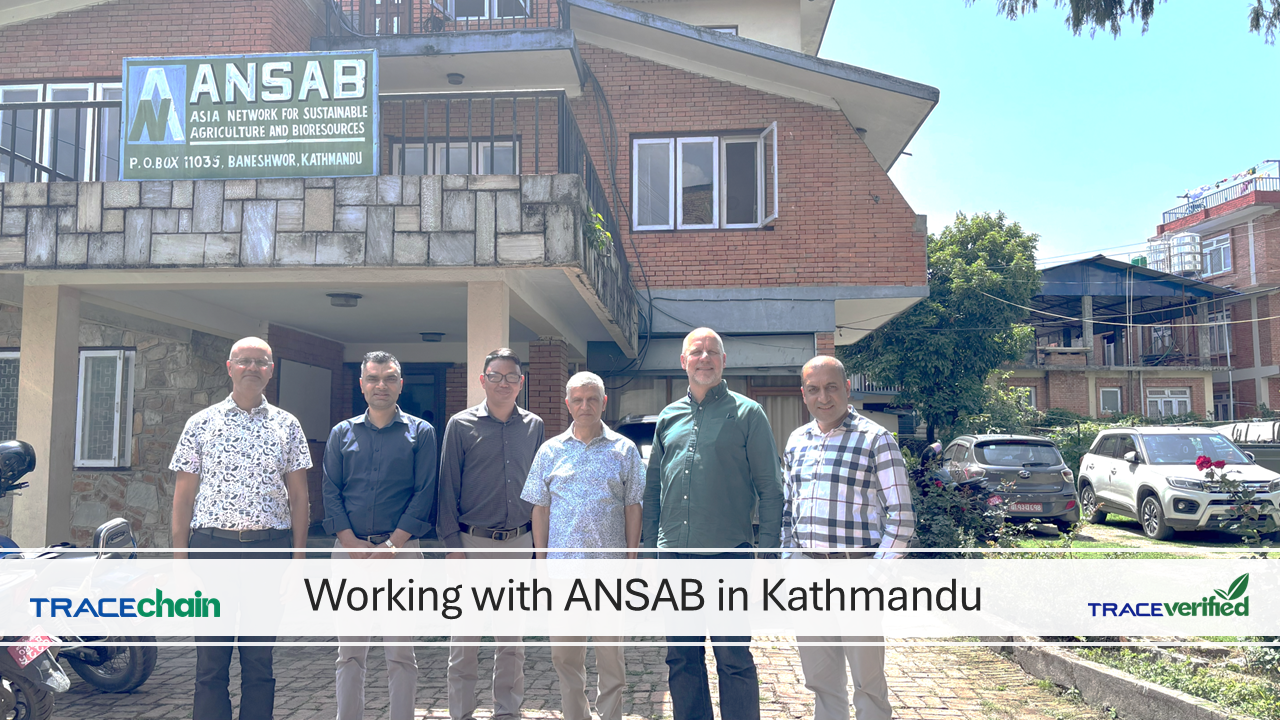
In Kathmandu, our work continued with businesses and organisations involved in trading and processing, including Himalayan Bio Trade Limited. In Jumla, we engaged with local traders and the Divisional Forest Office. Across the journey, we worked with TRAFFIC, ANSAB and other project partners.
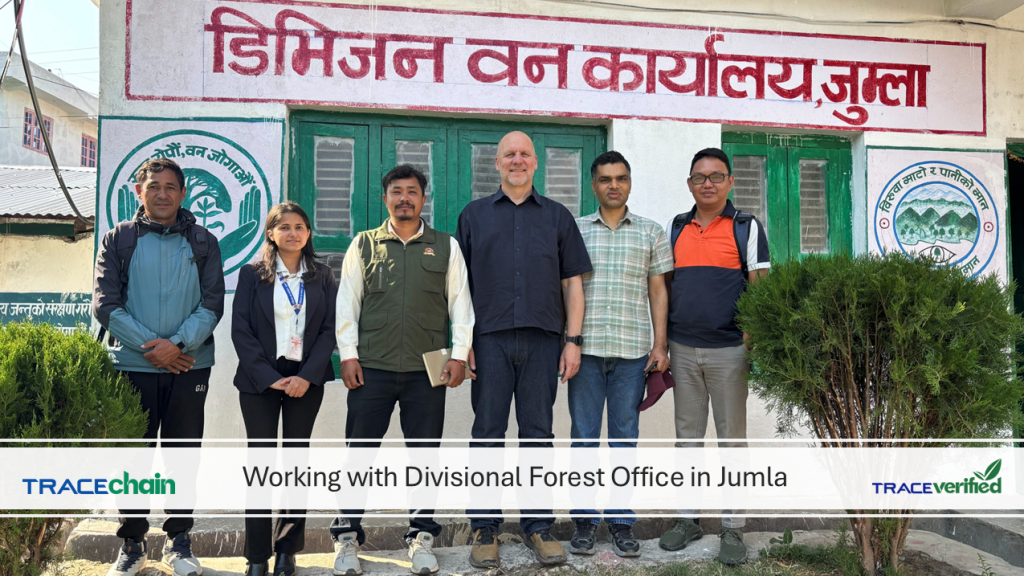
Từng điểm một. Từng con người một. Từng giao dịch một. Một chuỗi cung ứng bắt đầu được nhìn thấy rõ hơn.
Traceability is more than a QR code
Our field experience in Nepal reinforced something we have learned through more than 15 years of traceability work:
Traceability does not begin with software.
It begins with understanding the real supply chain.
- Who creates the product?
- Where is the data created?
- Who can provide it?
- Who needs it?
And how can data collection be made simple enough for the people at the beginning of the chain? These questions are as important as the technology itself.
Technology must work for people
A good traceability system cannot serve only large companies. It must also connect the people at the beginning of the supply chain: Harvesters; Small producers; Local traders; Mountain communities.
If information does not begin at the source, there can be no genuinely trusted story at the end of the chain. That is why our work in Nepal is not only about designing technology.
It is about understanding people, processes and participation.
From traceability to conservation
The Nepal project also shows that traceability can serve a purpose beyond trade. When origin data is captured and connected, we can begin to understand:
- Where resources come from.
- How they are harvested.
- Who participates in the supply chain.
- Where value is created.
- How value is distributed.
Data can therefore become more than a compliance tool.
It can support resource conservation, better management of harvesting and more equitable livelihoods for mountain communities.
From the Himalayas to the world
A batch of Jatamansi harvested on a mountain slope in Jumla may pass through many hands before becoming a product in an international market. TraceVerified wants to make that journey: Visible – Verifiable – Trusted.
This is another step in our international journey.
From agricultural and food traceability in Vietnam…
To cross-border supply chains…
From Australia to Cambodia.
From Vietnam to Nepal.
And from small mountain communities in the Himalayas to global markets.
Nepal is not just another project. It is another lesson. Our journey into the Himalayas reminded us that supply chain data does not begin with large corporations. It begins where the product begins.
With a harvester, a community, a local trader, a batch of raw material, a transaction, a small piece of information recorded at the right moment; When these pieces are connected, they can become something much more powerful: A trusted story of the entire supply chain. That is what TraceVerified is building with TraceChain.
Together We Build Trusted Supply Chain Data