

Colombia – Traceverified
From Vietnam to Colombia: TraceVerified’s Journey at the A2D Facility Annual Event 2026
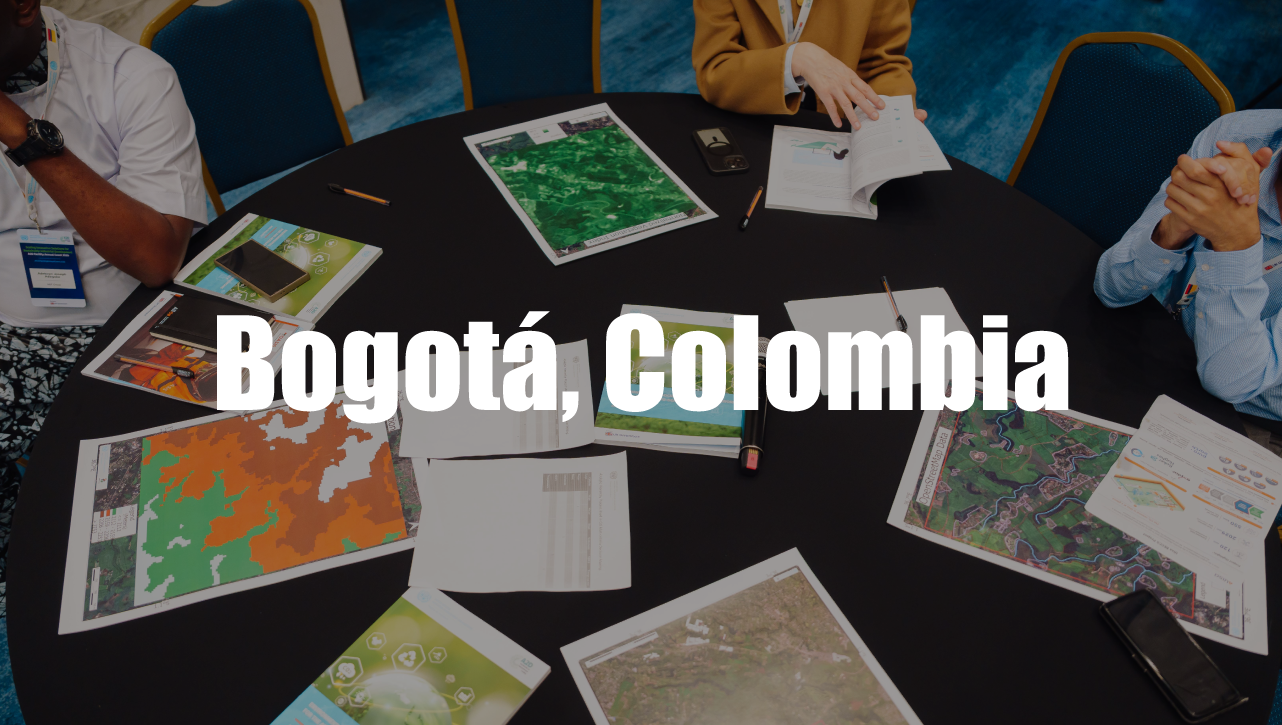
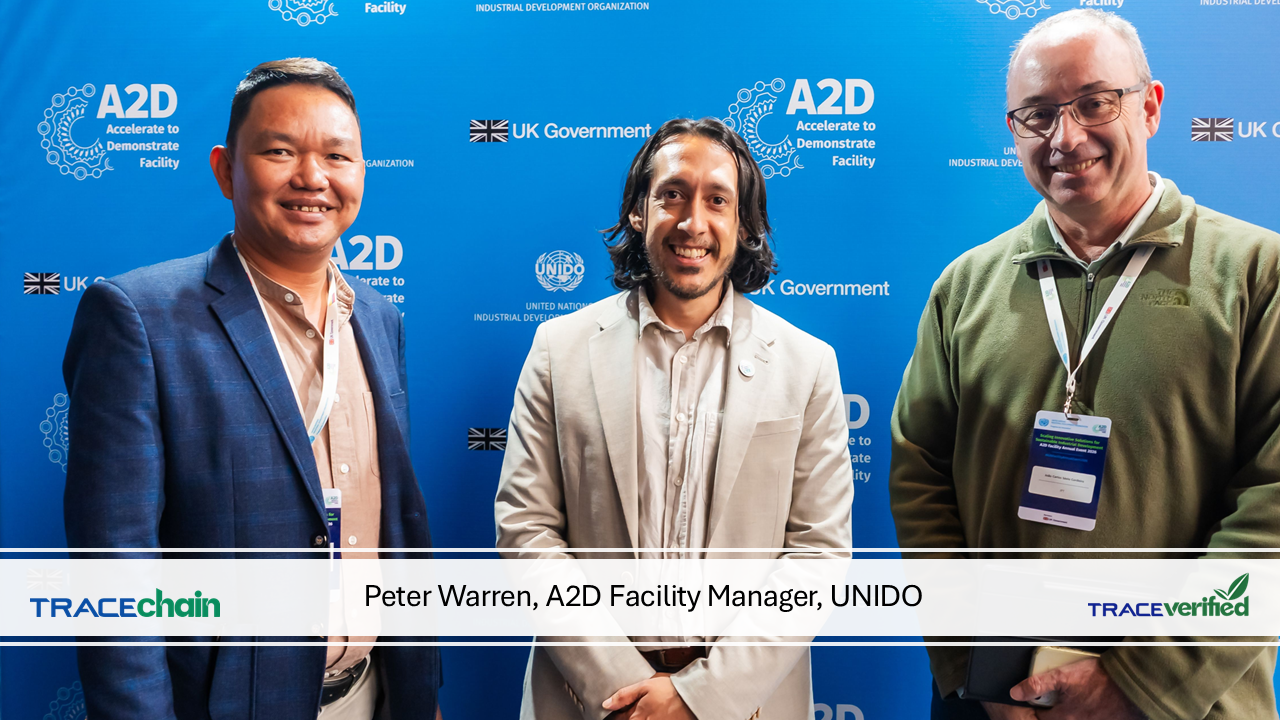
What happens when innovators, financiers, governments and industrial leaders come together to turn climate solutions from ideas into scalable action? For TraceVerified, the answer began in Bogotá, Colombia, where we had the opportunity to participate in the Accelerate-to-Demonstrate (A2D) Facility Annual Event 2026, organized by the United Nations Industrial Development Organization (UNIDO).
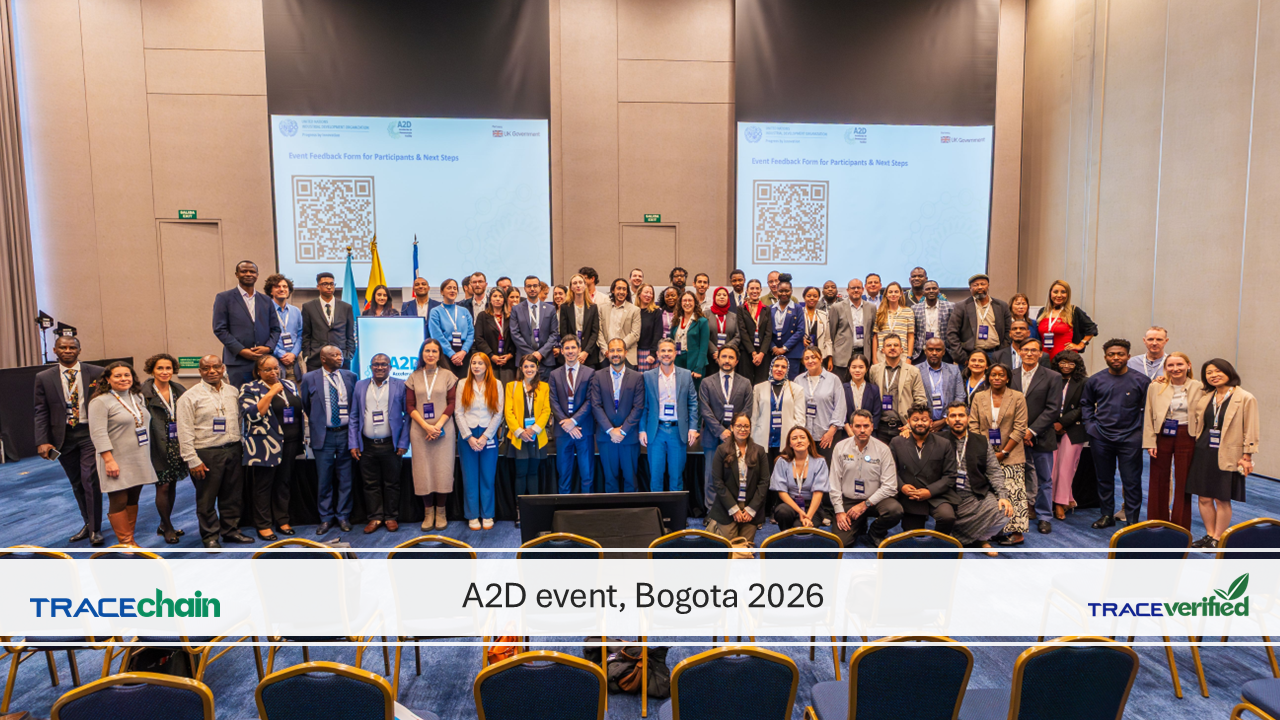
The event brought together project developers, financiers, industry associations, government representatives and other stakeholders working to accelerate demonstration projects in developing countries. Its central principle was simple but powerful: “progress by innovation.”
For TraceVerified, this was more than an international event. It was an opportunity to step outside our familiar environment in Vietnam, listen to how other countries are approaching industrial transformation, and explore where trusted data, traceability and digital infrastructure can contribute to a more sustainable future.
A global room, a common challenge
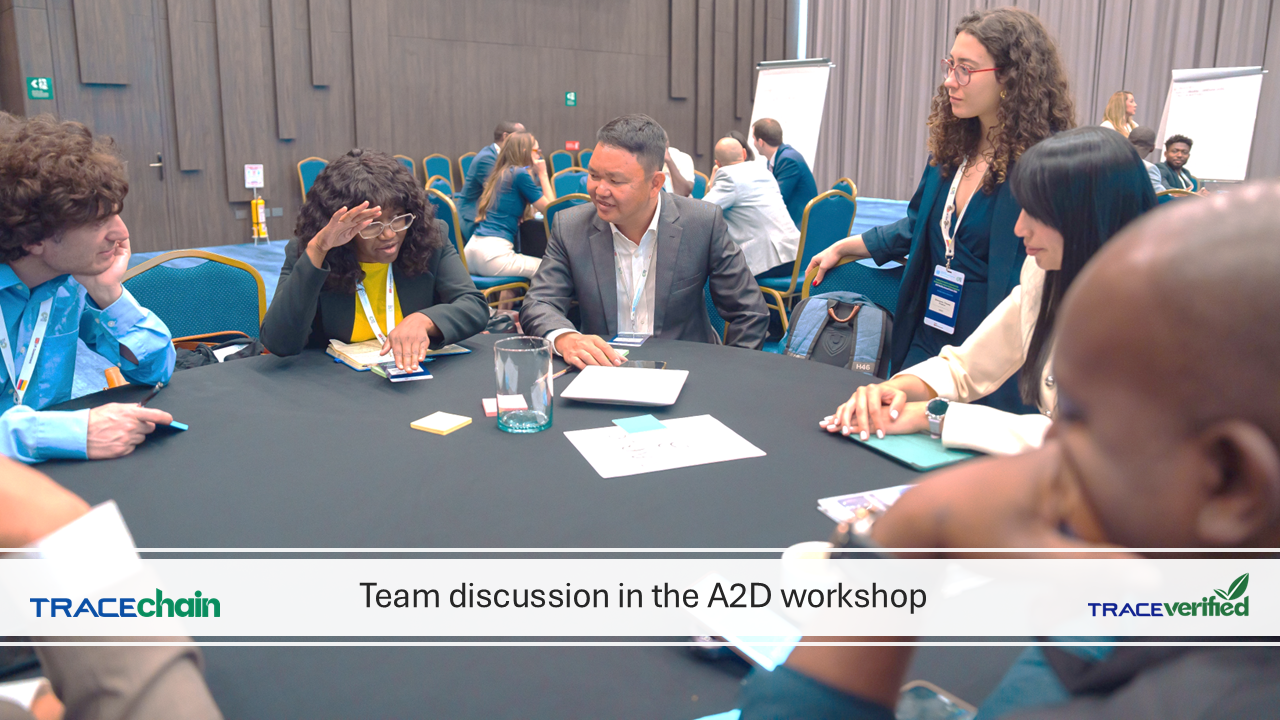
Walking into the A2D workshop in Bogotá, we immediately saw the diversity of the community. Participants came from different countries, industries and backgrounds. Yet the discussions repeatedly returned to similar questions:
How can innovative solutions move from demonstration to scale?
- How can projects become commercially viable?
- How can risks be identified and managed?
- How can impact be measured?
- And perhaps most importantly, how can data support decisions that make innovation scalable?
The 2026 A2D programme was structured around four major areas: Clean Hydrogen, Critical Minerals, Smart Energy and Industrial Decarbonization. Sessions explored financing, monitoring and reporting, risk management, safeguards, circular economy, industrial clusters and new business models for the green transition. For TraceVerified, the session on “Monitoring and Reporting – Data for Scalability” was particularly relevant.
Our experience has taught us that data is not simply something collected after a project is implemented. When designed correctly, data becomes part of the infrastructure that allows a project to be managed, verified, improved and replicated. That is also the thinking behind TraceChain.
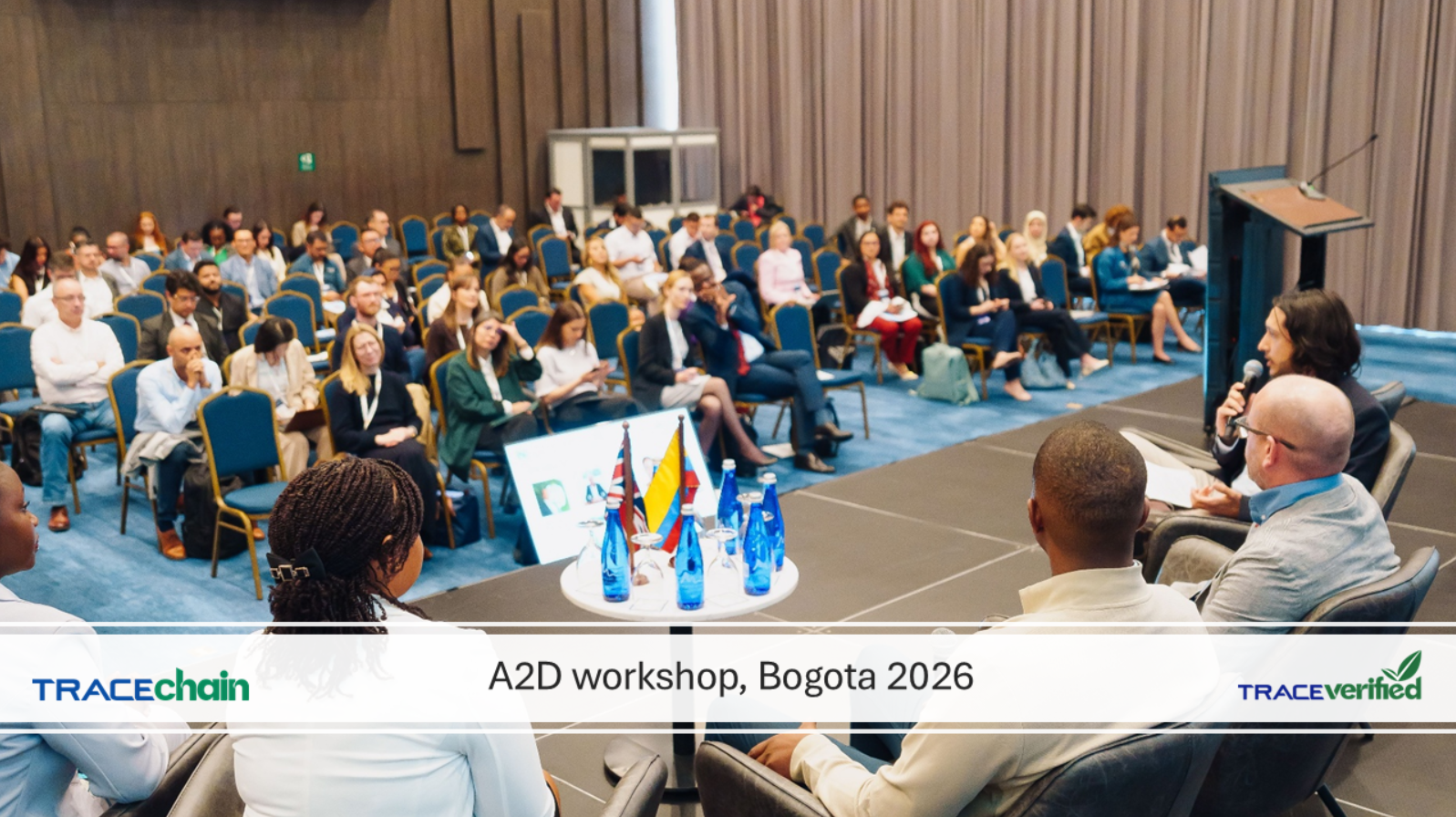
Learning through dialogue
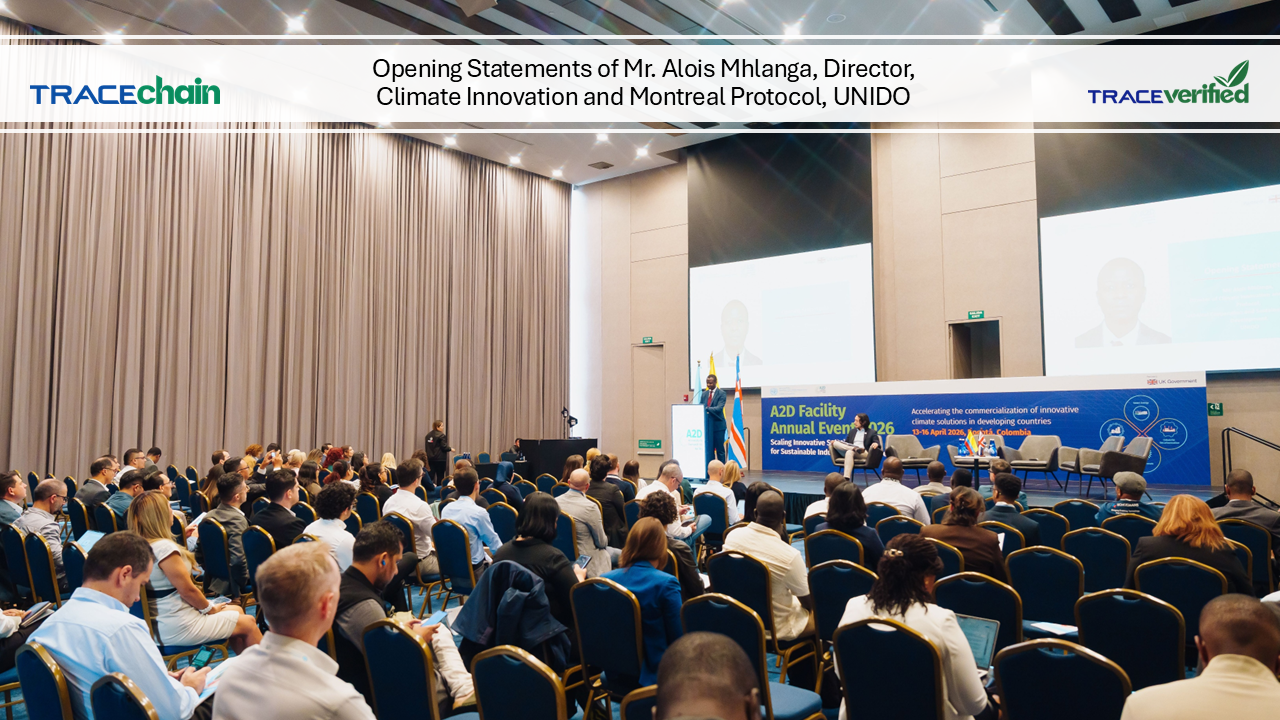
Throughout the workshop, participants worked together in discussions and interactive sessions. Rather than simply listening to presentations, we had the opportunity to exchange perspectives with people working on projects across different sectors and developing-country contexts. One of the most valuable lessons was that technology alone does not create transformation.
A successful demonstration project needs the right combination of: technology + data + finance + people + implementation capacity + a pathway to scale. This perspective strongly resonated with TraceVerified’s own journey.
For more than a decade, we have worked with agricultural and food supply chains in Vietnam. We have seen first-hand how difficult it can be to transform fragmented information from farmers, suppliers, factories, laboratories and distributors into data that businesses can actually trust and use. The challenge becomes even greater when moving from one supply chain to an entire ecosystem. That is why we increasingly see TraceChain not simply as a traceability application, but as a data infrastructure connecting multiple actors and multiple processes.
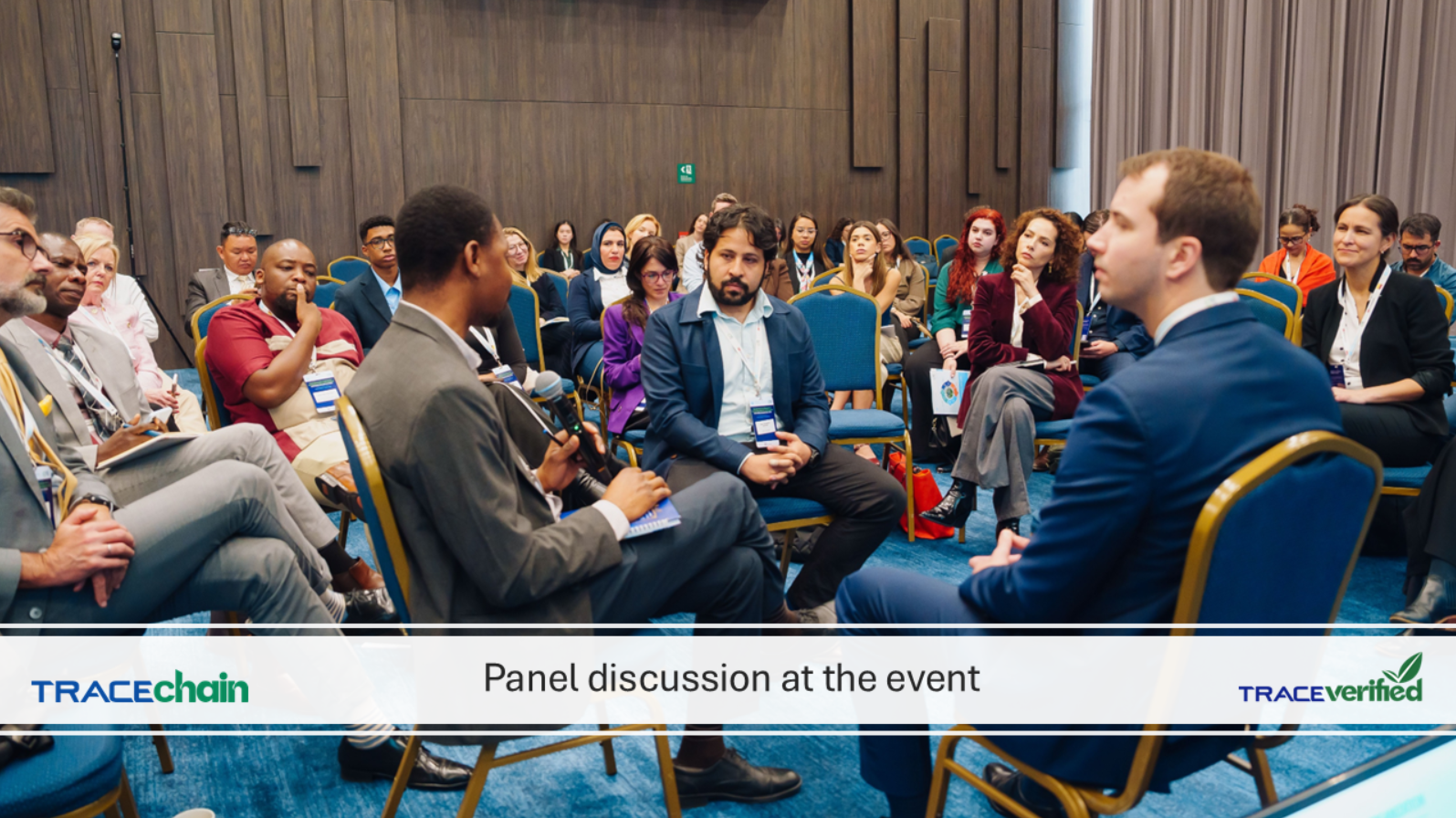
From the workshop to the field
The A2D experience did not end inside the conference room. One of the most valuable parts of the programme was the opportunity to visit real industrial and infrastructure sites in Colombia. The field visits allowed participants to move from presentations and concepts to seeing technologies and business models operating in the real world. This was an important part of the A2D approach: demonstrating impact on the ground.
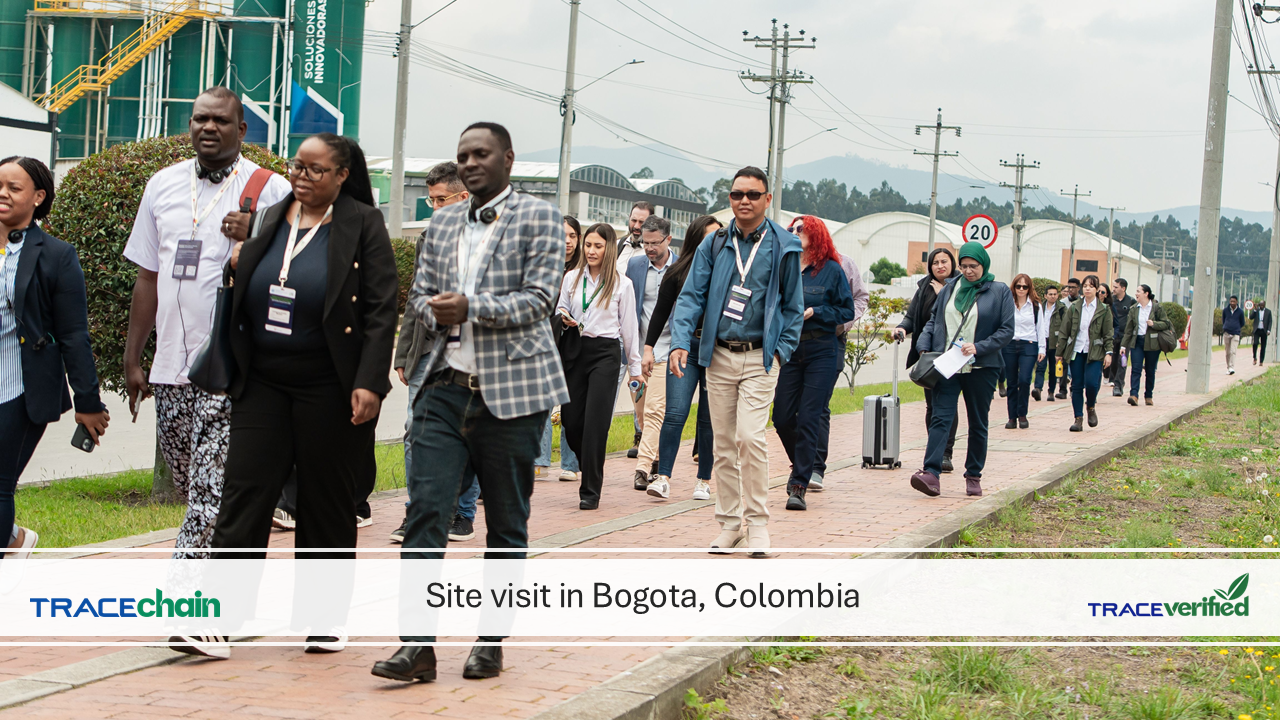
Seeing the circular economy in action
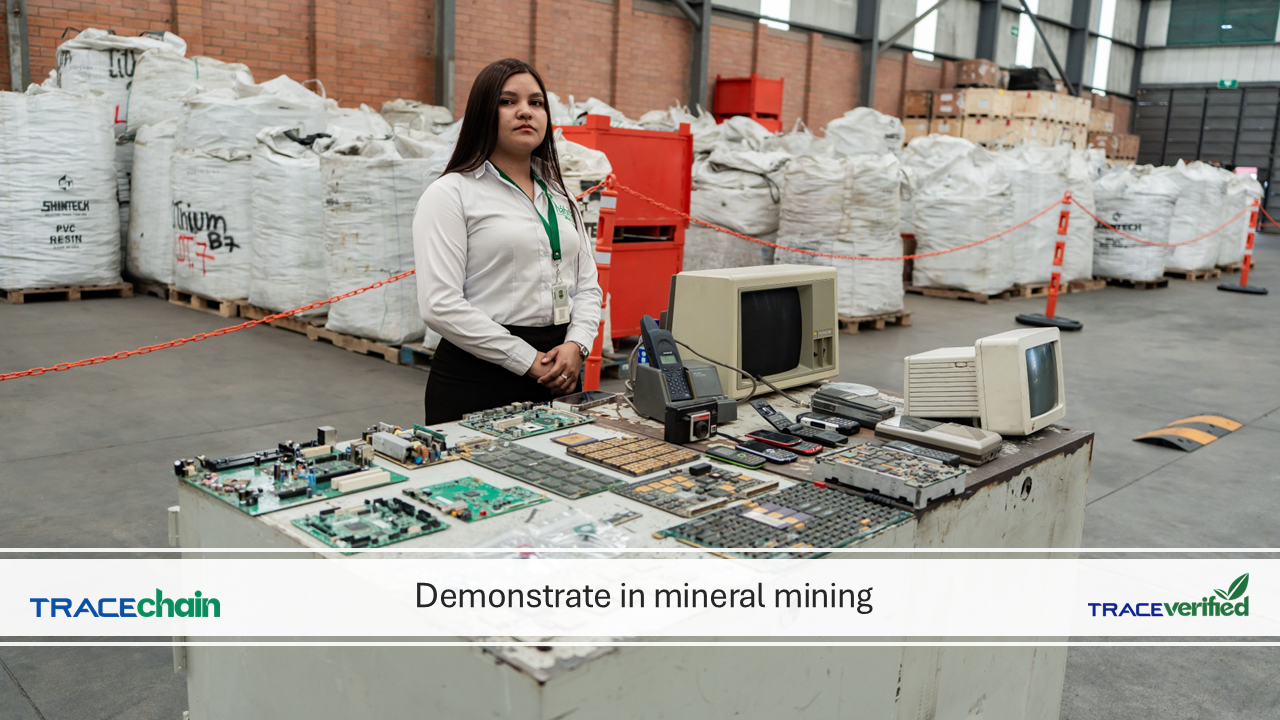
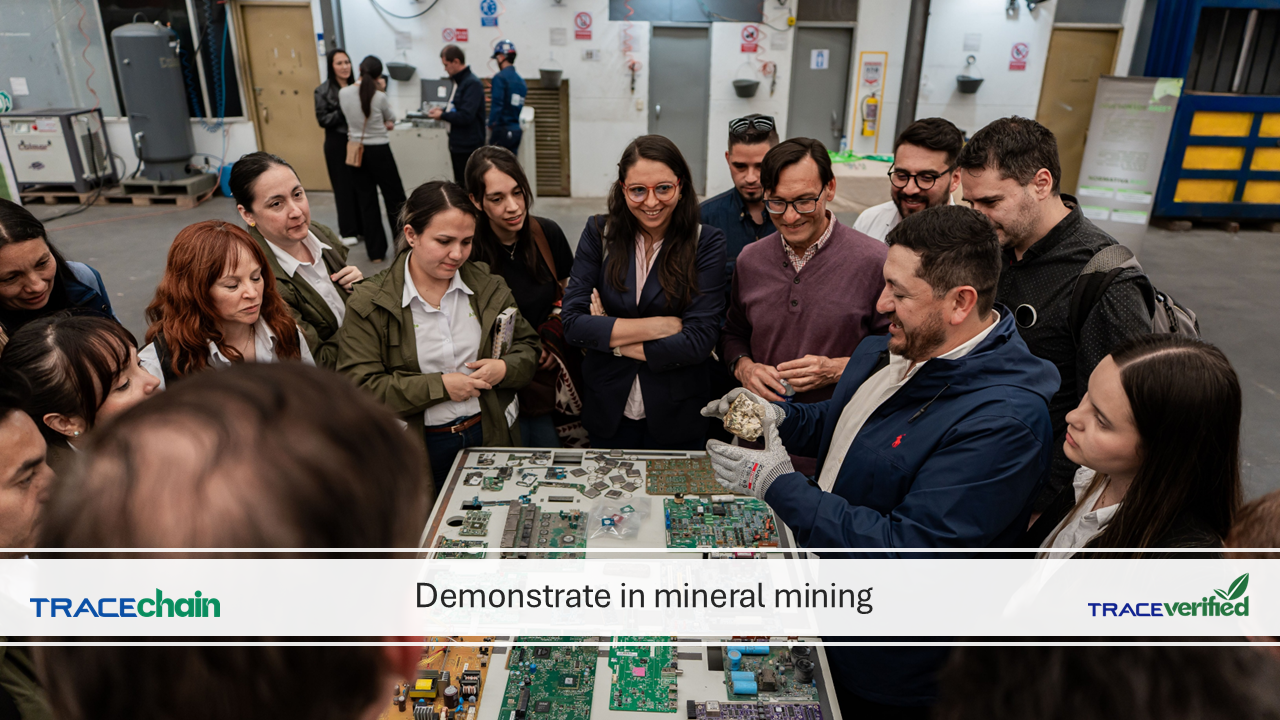
At Hábitat Minería Urbana in Tocancipá, we saw technologies related to the recovery of critical materials, including Black Mass processing, material recovery and battery reconditioning. For TraceVerified, this visit offered a different perspective on traceability.
In a circular economy, materials do not simply move from producer to consumer and disappear. They move through multiple cycles. A battery becomes waste. Waste becomes recovered material. Recovered material becomes a new industrial input. Every transformation creates a new data point.
- Where did the material come from?
- What process transformed it?
- What materials were recovered?
- Where did they go next?
These are fundamentally data questions. And they demonstrate why supply-chain data infrastructure will become increasingly important as industries move toward circular production models.
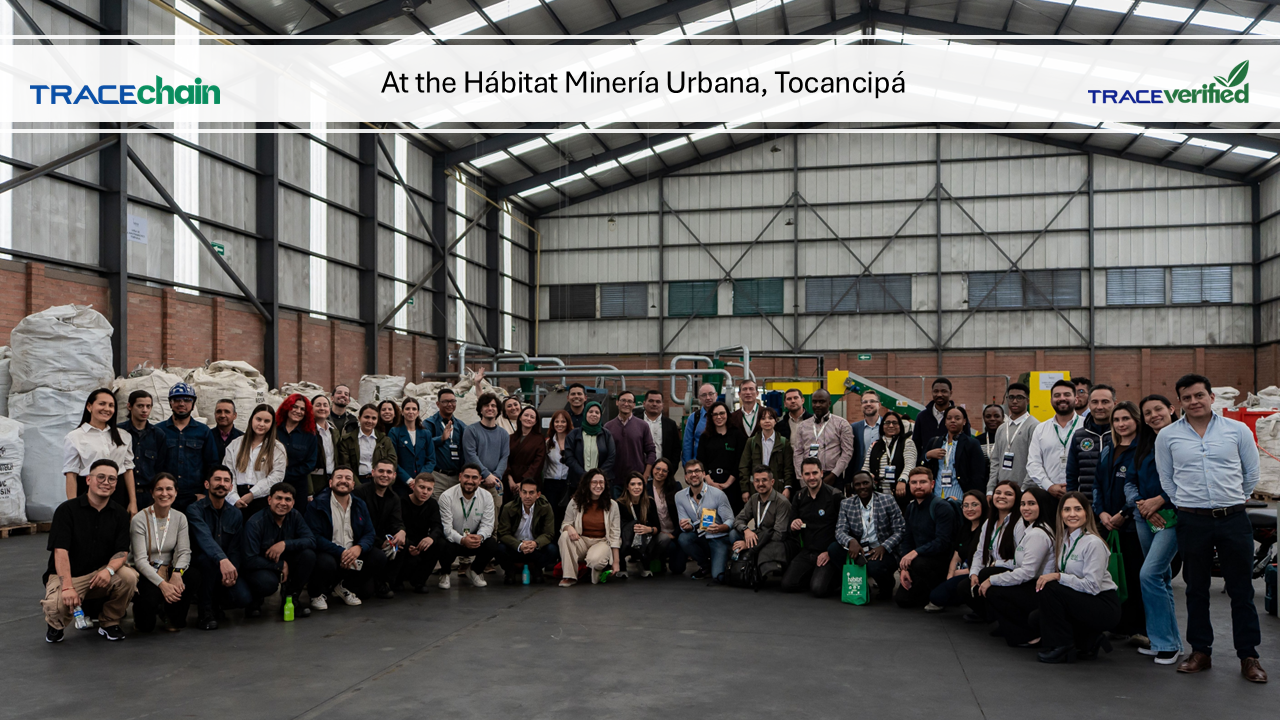
Bogotá: electrification at urban scale
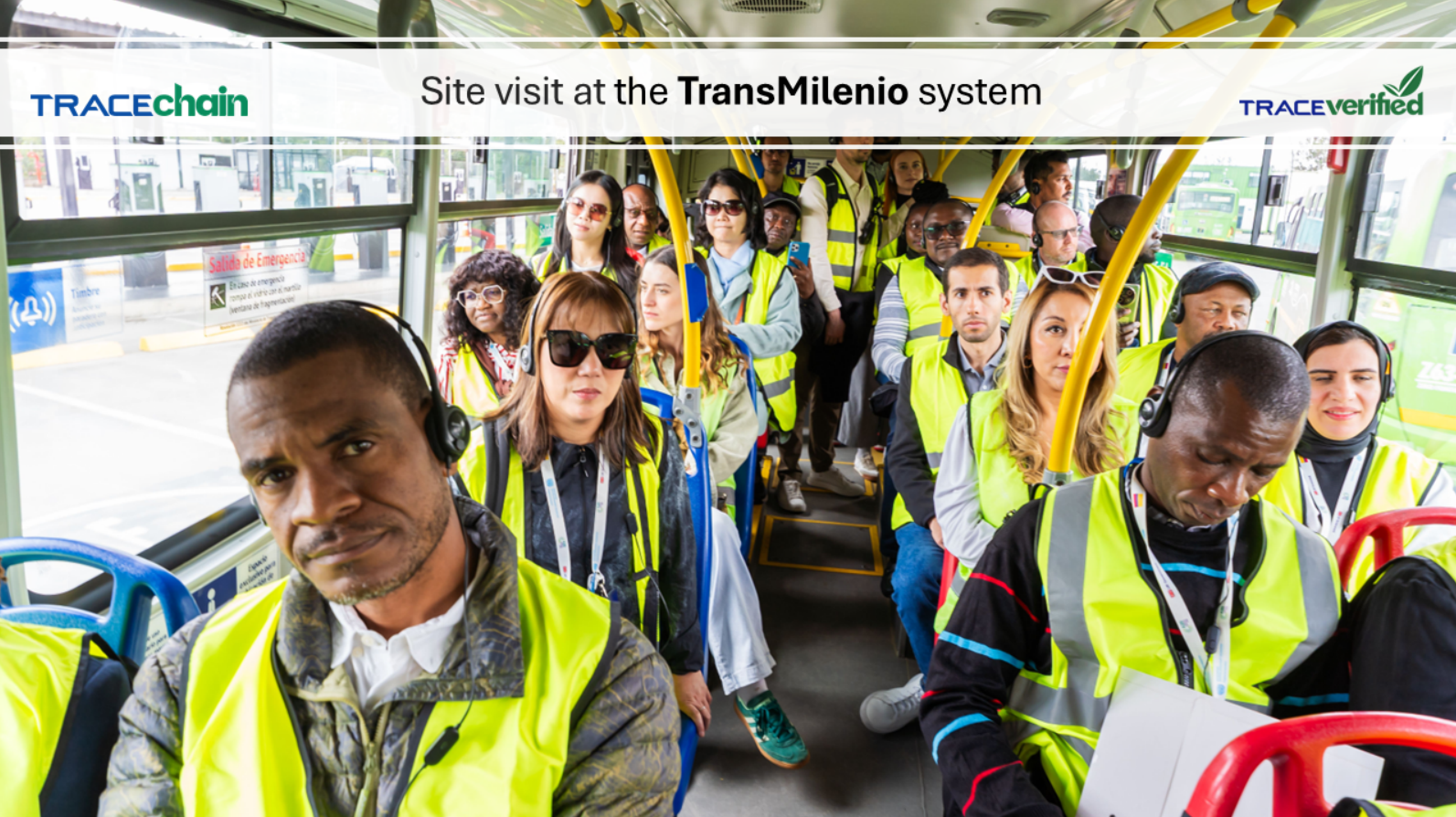
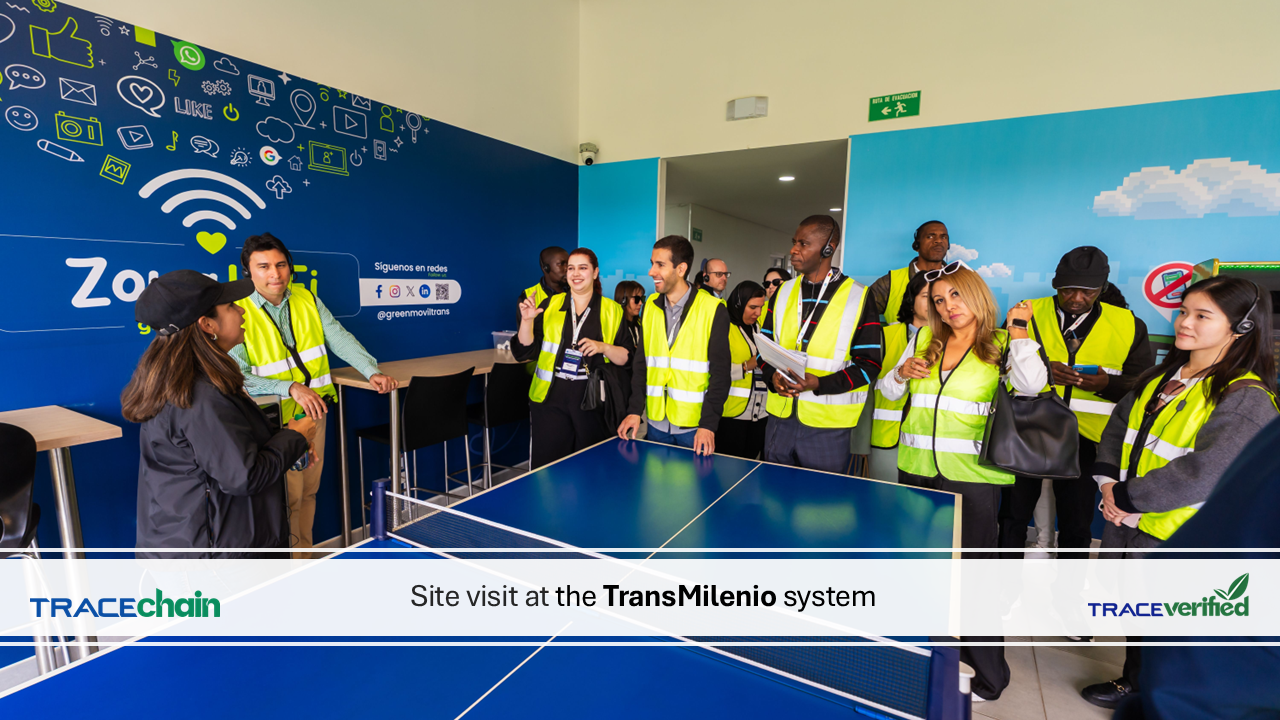
Another field experience took us into Bogotá’s urban transport system. The TransMilenio system demonstrates how large-scale public transportation can incorporate electric mobility and contribute to emissions reduction. Seeing such infrastructure operating in a major city brought another lesson into focus:
Sustainability at scale requires systems thinking.
An electric bus is not an isolated technology. It is part of a much larger ecosystem involving energy, infrastructure, operations, maintenance, mobility data and users.
The same principle applies to supply chains.
A QR code is not a traceability system. A database is not a supply-chain infrastructure. A certificate is not proof of an entire supply chain. Value emerges when different elements are connected through a trusted data architecture.
Industrial transformation at Zona Franca de Bogotá
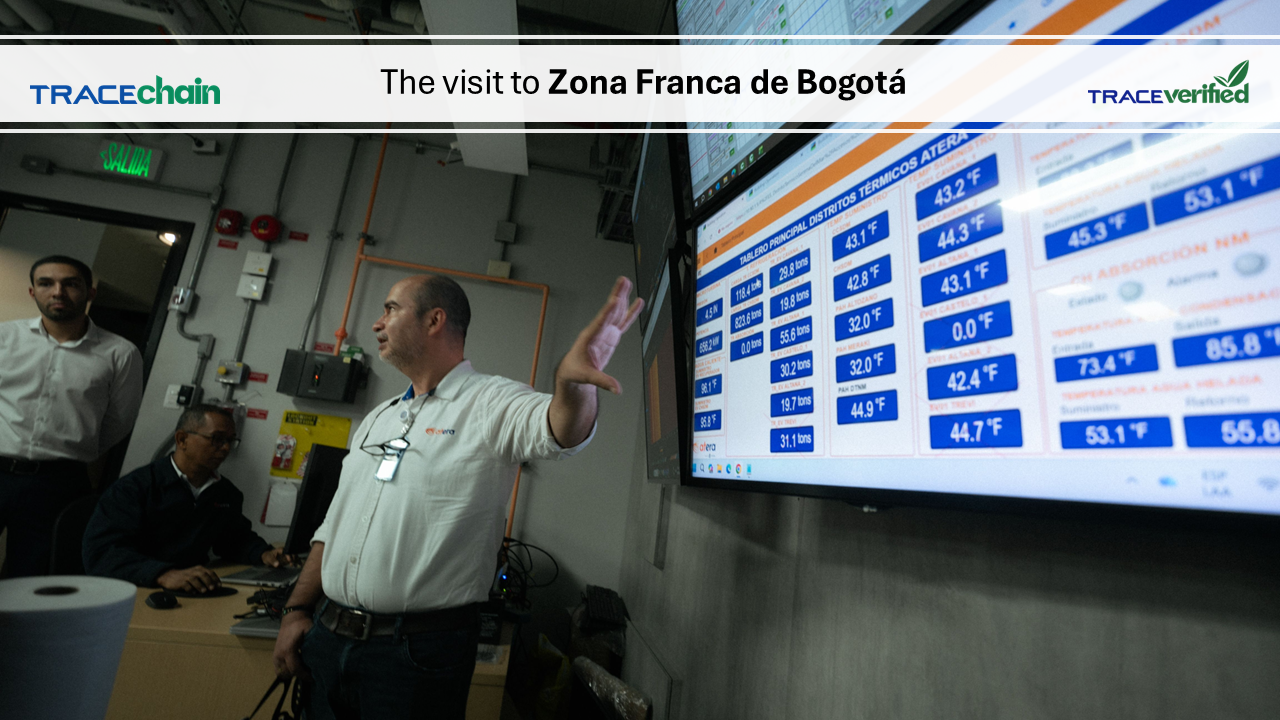
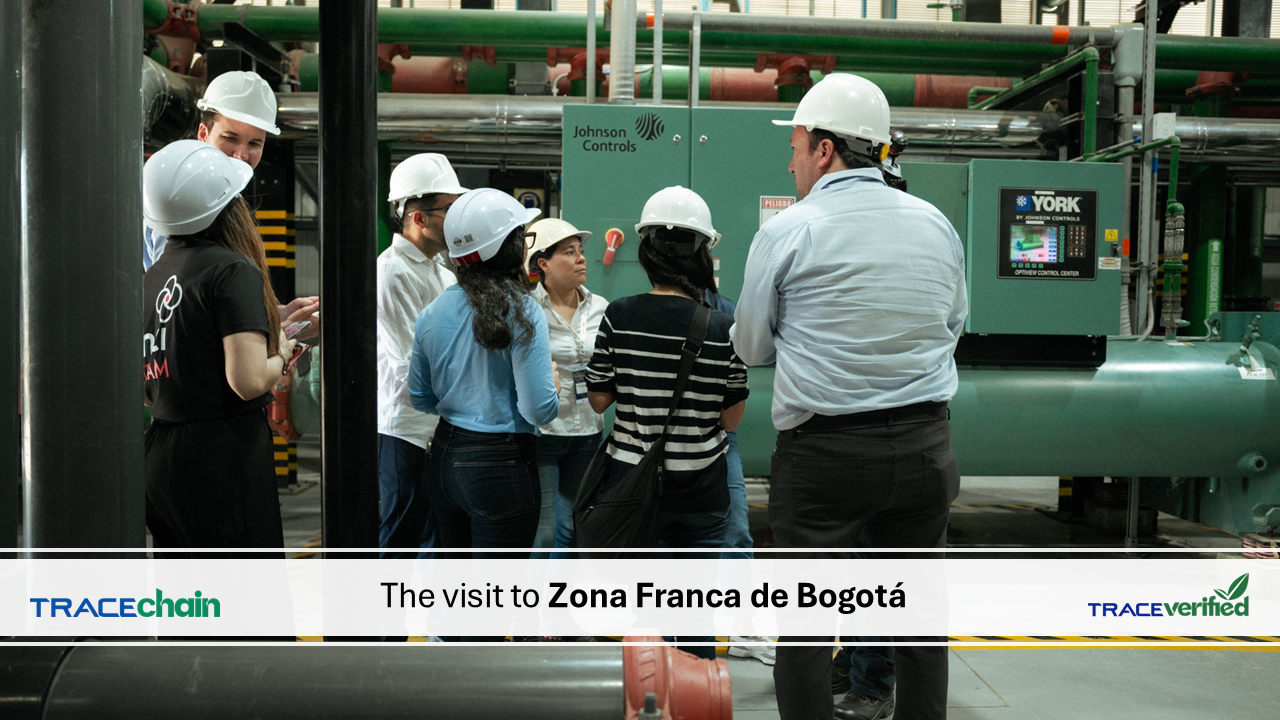
The visit to Zona Franca de Bogotá offered another perspective on industrial transformation. The industrial park brings together hundreds of companies within a large-scale industrial ecosystem designed to support manufacturing and investment.
For TraceVerified, this reinforced an important idea: The future of industrial digitalization is not only about digitizing individual factories. It is about connecting ecosystems. Suppliers, manufacturers, logistics providers, laboratories, distributors, regulators and customers increasingly need to exchange trusted information.
That is precisely the space where TraceChain is designed to operate.
What TraceVerified brought home from Colombia
Our journey to Bogotá gave us much more than photographs and memories. It gave us new questions.
- How can supply-chain data support climate projects?
- How can traceability contribute to circular economy models?
- How can data help investors assess project performance and risk?
- How can digital infrastructure help demonstration projects become scalable?
- And how can solutions developed in Vietnam contribute to international supply chains?
These questions are important for TraceVerified as we continue to expand internationally.
From Traceability to Trusted Data Infrastructure
TraceVerified began with a simple challenge: How do we know where a product comes from? Over time, that question has become much bigger. Today, businesses need to know:
- Where did the raw material originate?
- Who handled it?
- Which process transformed it?
- Which batch was created?
- Which laboratory tested it?
- Where was the product stored?
- Which customer received it?
- And increasingly: Can the data be trusted, verified and shared across organizational boundaries?
TraceChain was created to address this broader challenge.
Using a Critical Path Method, TraceChain allows businesses to design supply-chain processes around Critical Tracking Events (CTEs) and Key Data Elements (KDEs), capture data through operational workflows, and transform that data into traceability and management reports.
It is designed to work across different supply chains, from agriculture and food to manufacturing and natural resources.
The journey continues
Our participation in the A2D Facility Annual Event 2026 in Bogotá was one step in TraceVerified’s international journey. From Vietnam to Cambodia. From Australia to Nepal. From Japan to Colombia. Each market gives us a different perspective on the same fundamental challenge: How can we build trusted data systems for increasingly complex global supply chains?
We believe the answer begins with collaboration. Collaboration between businesses and technology companies. Between developing countries and international partners. Between innovators, investors, governments and development organizations. And ultimately, between data and the people who need to make better decisions.
For TraceVerified, Bogotá was not simply a destination.
It was a reminder that innovation becomes meaningful when it can travel, connect and create impact beyond its place of origin.
And our journey continues.
Together We Build Trusted Supply Chain Data